IgniteIt · Cannabis Capital ConferenceMIAMI 2027March 24–26 · The Diplomat Beach Resort, Hollywood FL

EXCLUSIVE: Organigram CEO James Yamanaka Details Global Growth Strategy Behind Aurora Acquisition

Organigram CEO James Yamanaka told IgniteIt that the company’s proposed acquisition of Aurora Cannabis is designed to accelerate international expansion, strengthen supply reliability, and create a larger, more diversified cannabis business.
Organigram’s agreement to acquire Aurora Cannabis represents a significant development in the consolidation of the global cannabis industry, bringing together two Canadian operators with complementary businesses across recreational and medical markets.
In exclusive comments provided to IgniteIt on Tuesday, Organigram CEO James Yamanaka outlined the company’s expectations for the transaction, including a stronger international footprint, expanded EU-GMP manufacturing capabilities and more than C$50 million in identified synergies.
“What excites me most is how much faster we can grow together,” Yamanaka told IgniteIt.
The acquisition would combine Aurora’s established international medical cannabis infrastructure with Organigram’s Canadian recreational business, research and development capabilities, and expanding European operations.
For Organigram, which acquired Sanity Group earlier this year, the transaction represents another step toward building a cannabis business capable of competing across multiple nationally regulated markets.
Five Markets, One International Strategy
Aurora has spent two decades developing its medical cannabis business, establishing manufacturing operations and distribution networks serving patients and pharmacies in several international markets.
Organigram brings an established position in Canada’s recreational cannabis market, a portfolio of consumer brands, research and development capabilities, experience in product innovation, domestic retail relationships, and a growing European medical cannabis business following its acquisition of Sanity Group. Its strengths in branded products, consumer preferences, product development and commercialization complement Aurora’s experience in pharmaceutical-grade production, international medical cannabis distribution and regulated market access.
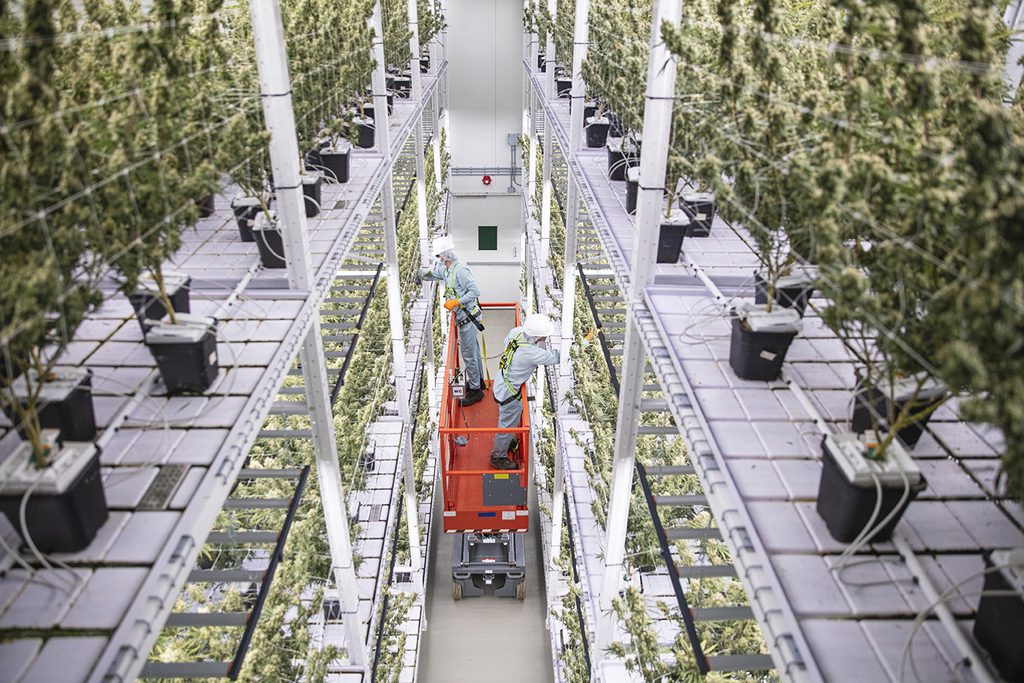
Yamanaka said the combination would establish a presence in five nationally legal markets.
“Together, we will have a leading presence in five nationally legal markets: Canada, Germany, Poland, Australia and New Zealand. International demand for high-quality cannabis continues to grow, and we’ll have the supply, licences and reach to serve more of that demand.”
The geographic combination is particularly relevant as cannabis companies seek growth opportunities beyond Canada’s mature domestic market.
Germany, Poland, Australia and New Zealand operate under different regulatory and commercial frameworks, making market access, manufacturing certification and distribution capabilities important competitive considerations.
Why Supply Reliability Comes First
While the transaction has attracted attention for its scale, Yamanaka identified supply reliability as one of its most immediate potential benefits.
“The most immediate benefit is greater certainty of supply. EU-GMP certification takes significant work to earn and maintain, and it’s essential to serving highly regulated international markets.”
He said the combined company would own and operate five EU-GMP-certified production and distribution facilities following completion of the acquisition.
These facilities could provide flexibility in determining where cannabis is manufactured and how products reach international customers.
For companies operating in regulated medical cannabis markets, production capacity alone is insufficient. Certification, regulatory compliance, and dependable distribution are also essential to commercial access.
The combination could therefore improve Organigram’s ability to serve existing markets while supporting expansion into additional jurisdictions.
More Than C$50 Million in Identified Synergies
Organigram has identified more than C$50 million in potential synergies from the acquisition.
Yamanaka described several areas where the company expects to generate operational benefits.
“We’ve also identified more than C$50 million in synergies. Those opportunities include selling more of our products across our combined Canadian and international businesses, buying at greater scale, bringing distribution together, and serving international demand from the facilities that can produce most cost-effectively.”
The opportunities extend beyond traditional cost reductions.
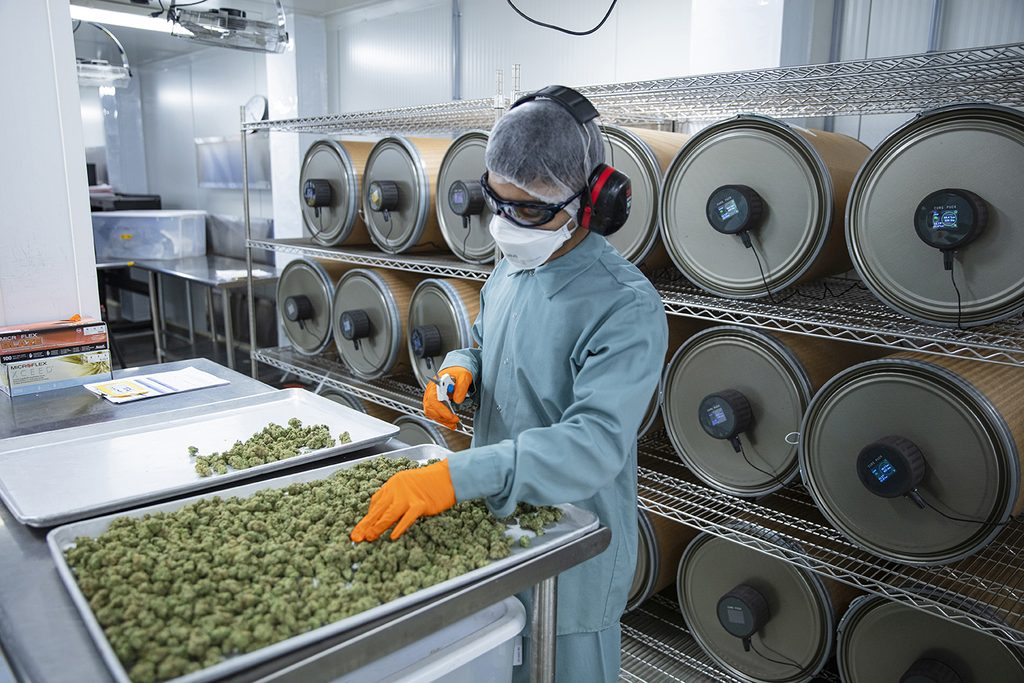
Cross-selling products through existing commercial networks could expand revenue opportunities, while purchasing efficiencies and consolidated distribution could reduce operating expenses.
The ability to allocate production among facilities according to cost and market requirements may also become increasingly important as international competition develops.
However, these benefits remain prospective and depend on successful completion and integration of the transaction.
“Until closing, both companies will continue to operate independently and focus on serving their customers and patients,” Yamanaka said.
BAT’s Role and the Investment Case
The proposed acquisition also reinforces the strategic significance of British American Tobacco, which Yamanaka described as the combined company’s cornerstone strategic shareholder.
For Organigram, the transaction follows a period of investment in international operations and the acquisition of Sanity Group.
“We’re building a global cannabis company with a disciplined approach to growth. This is the next step in the strategy we shared at our Investor Session this fall, following our acquisition of Sanity Group earlier this year,” Yamanaka told IgniteIt.
The combination would bring together businesses with different geographic exposures and product portfolios.
According to Yamanaka, the benefits are intended to extend to both commercial customers and shareholders. “For customers and patients, that means more choice and more reliable supply. For investors, it means greater scale, a larger market capitalization and a stronger foundation for long-term profitable growth.”
The emphasis on profitability is particularly relevant to an industry where international expansion has not always translated into sustainable earnings.
What Comes Next
The proposed acquisition would create a cannabis operator with a wider international presence and a more diversified business across recreational and medical markets.
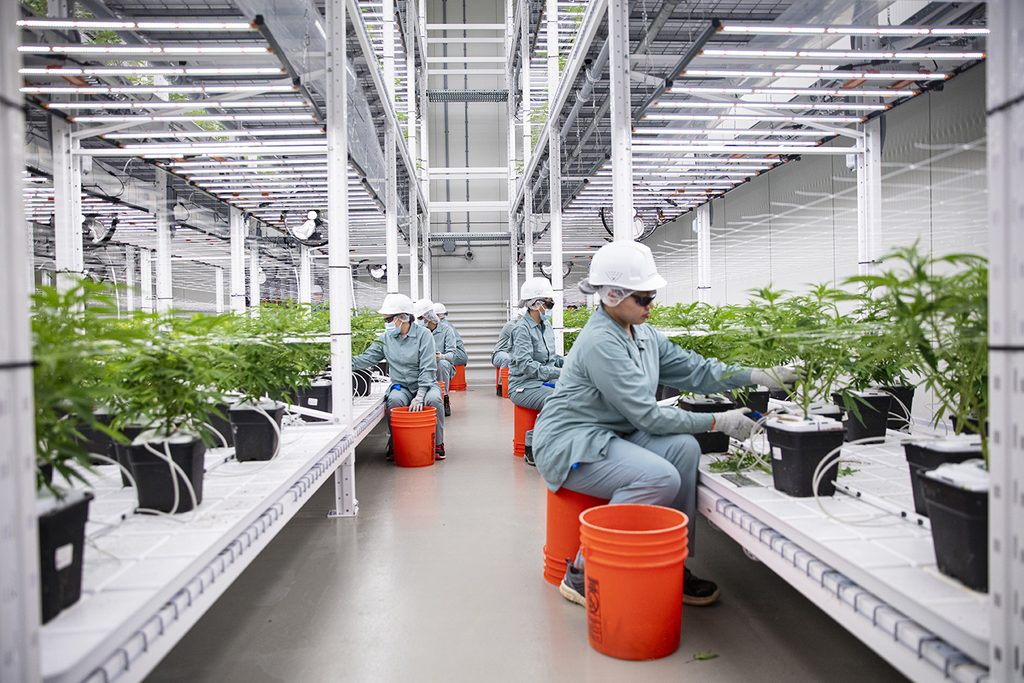
Its success will depend on the companies’ ability to integrate operations, capture anticipated synergies, and capitalize on demand in markets with different regulatory requirements.
For Organigram, the immediate opportunity lies in combining Aurora’s medical cannabis infrastructure with its own commercial capabilities and international expansion strategy.
The longer-term test will be whether the resulting business can deliver the profitable growth that management expects.
Yamanaka’s comments make clear that Organigram sees the transaction as more than a consolidation of Canadian cannabis assets. The company intends to use the combined infrastructure to compete across a growing network of regulated international markets.
The Organigram-Aurora transaction also reflects a broader shift in how cannabis companies approach growth, capital allocation and international expansion. These developments, alongside evolving federal policy and changing investor expectations, will be part of the conversation at IgniteIt’s Cannabis Capital & Policy Summit in Washington, D.C. on November 18, where industry executives, investors and policymakers will examine the forces shaping the next phase of the cannabis industry.

Nicolás Rodríguez
November 3, 2026Managing Editor at IgniteIt, covering the business, finance and policy of cannabis. 1,500+ articles for High Times, Benzinga and El Planteo.